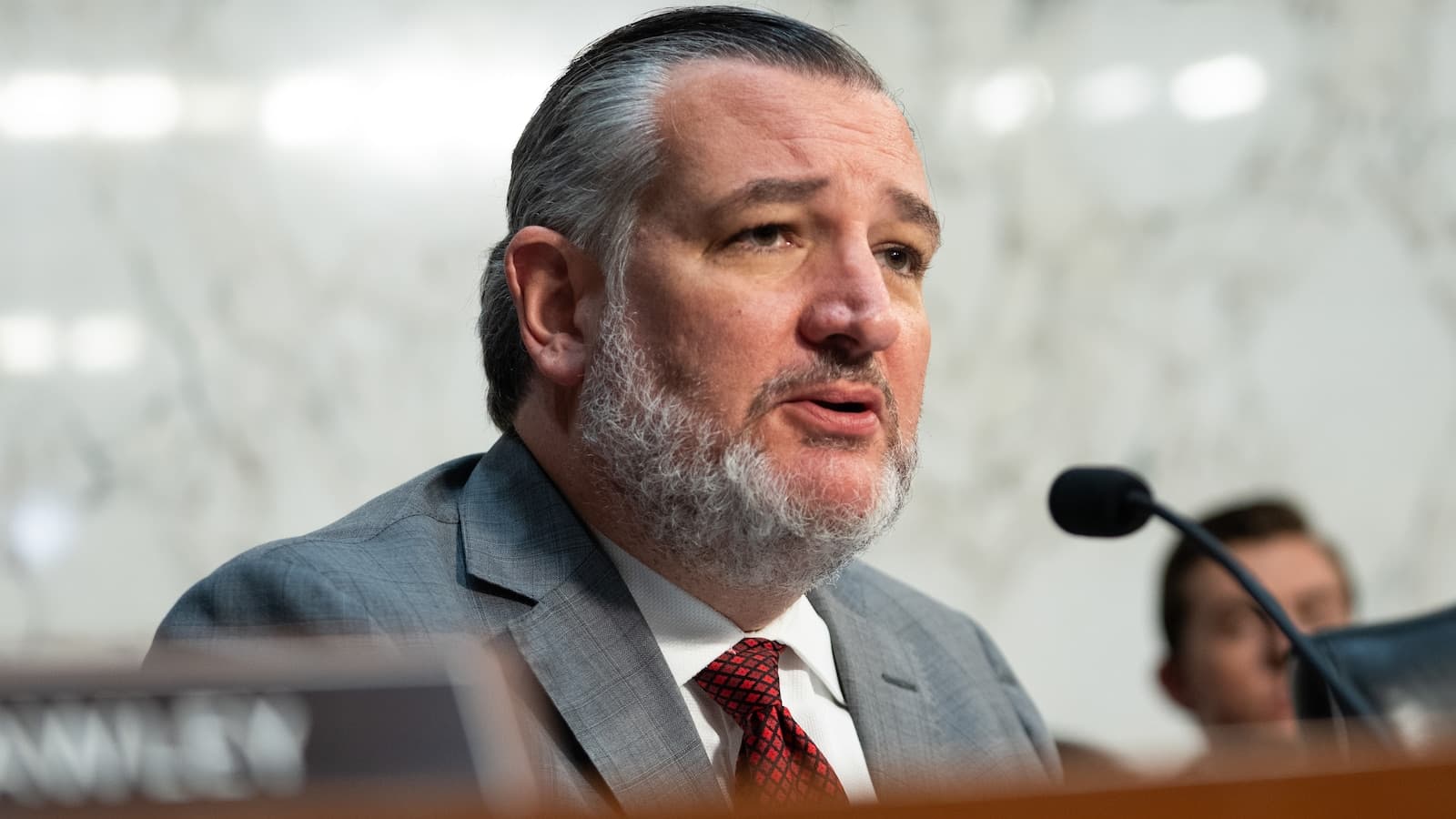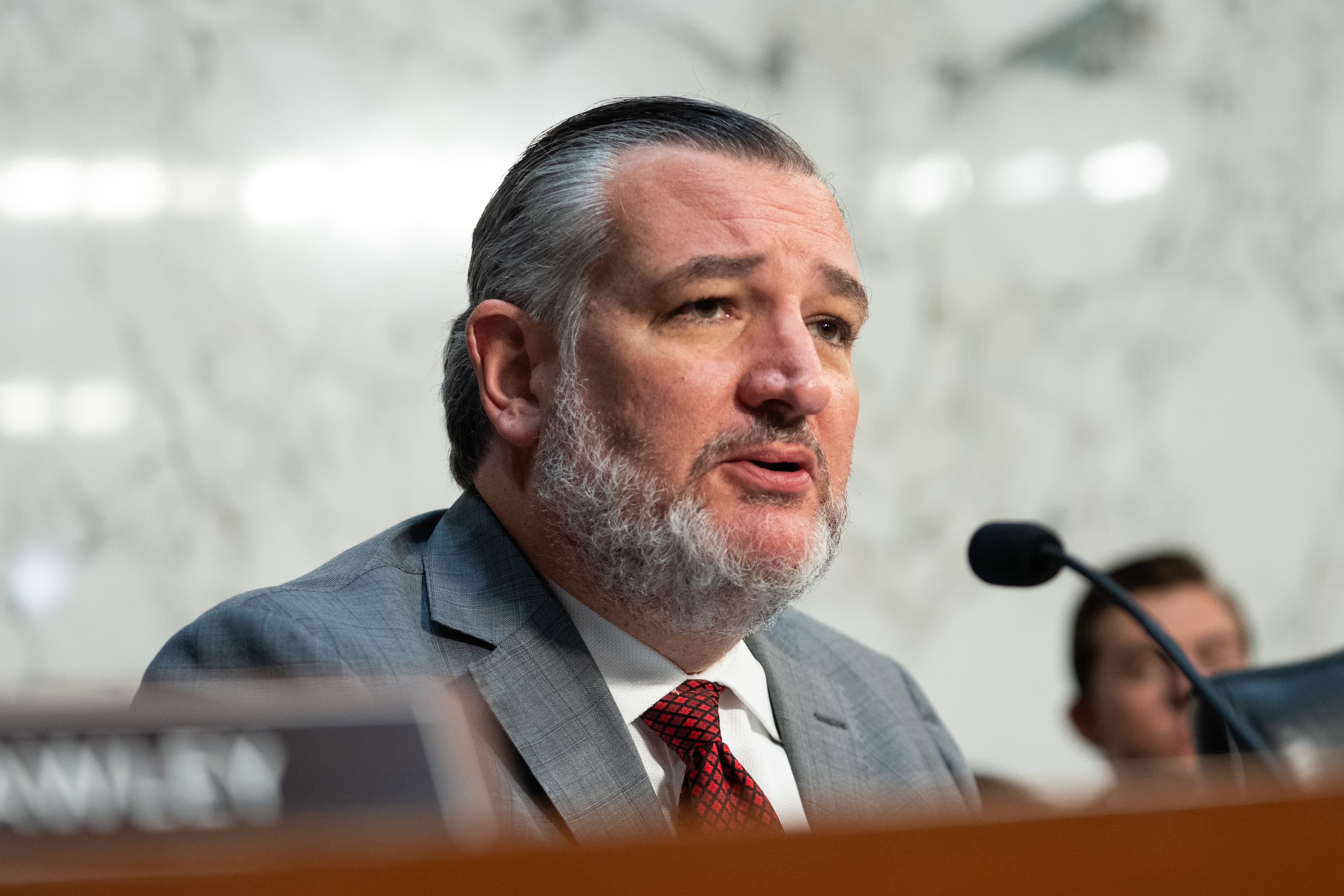
Photo via Whio News Center Seven
Lawmakers are advancing a reworked Senate bill designed to establish federal oversight of Name, Image, and Likeness (NIL) agreements in college athletics, according to reporting from Whio News Center Seven. The legislation would more than double the current allowable compensation schools can distribute to student-athletes, introducing a $25 million 'retention pool' to incentivize athletes to remain at their institutions rather than transfer. This federal intervention marks a significant shift from the current Wild West of NIL deals, where athletes have increasingly leveraged their market value across platforms.
The proposed regulations face skepticism from power-conference athletic directors, particularly those in the Big Ten and SEC, who question whether the funding mechanisms are adequate to prevent continued player departures. These conferences have invested heavily in infrastructure and recruiting pipelines, and the retention pool's effectiveness could determine whether Nashville-area institutions—many with growing athletic ambitions—can remain competitive in the evolving landscape. The bill's structure suggests federal policymakers recognize that unregulated NIL deals have created market distortions that threaten institutional stability.
For Nashville's business community, this legislative development carries implications beyond campus walls. Athletic programs drive tourism, media partnerships, and local business activity, while the talent acquisition arms race affects regional universities' ability to invest in academics and other institutional priorities. How federal regulators ultimately balance athlete compensation with institutional sustainability will influence local economic dynamics and the competitive positioning of Tennessee's college sports sector.