Photo via Abc News
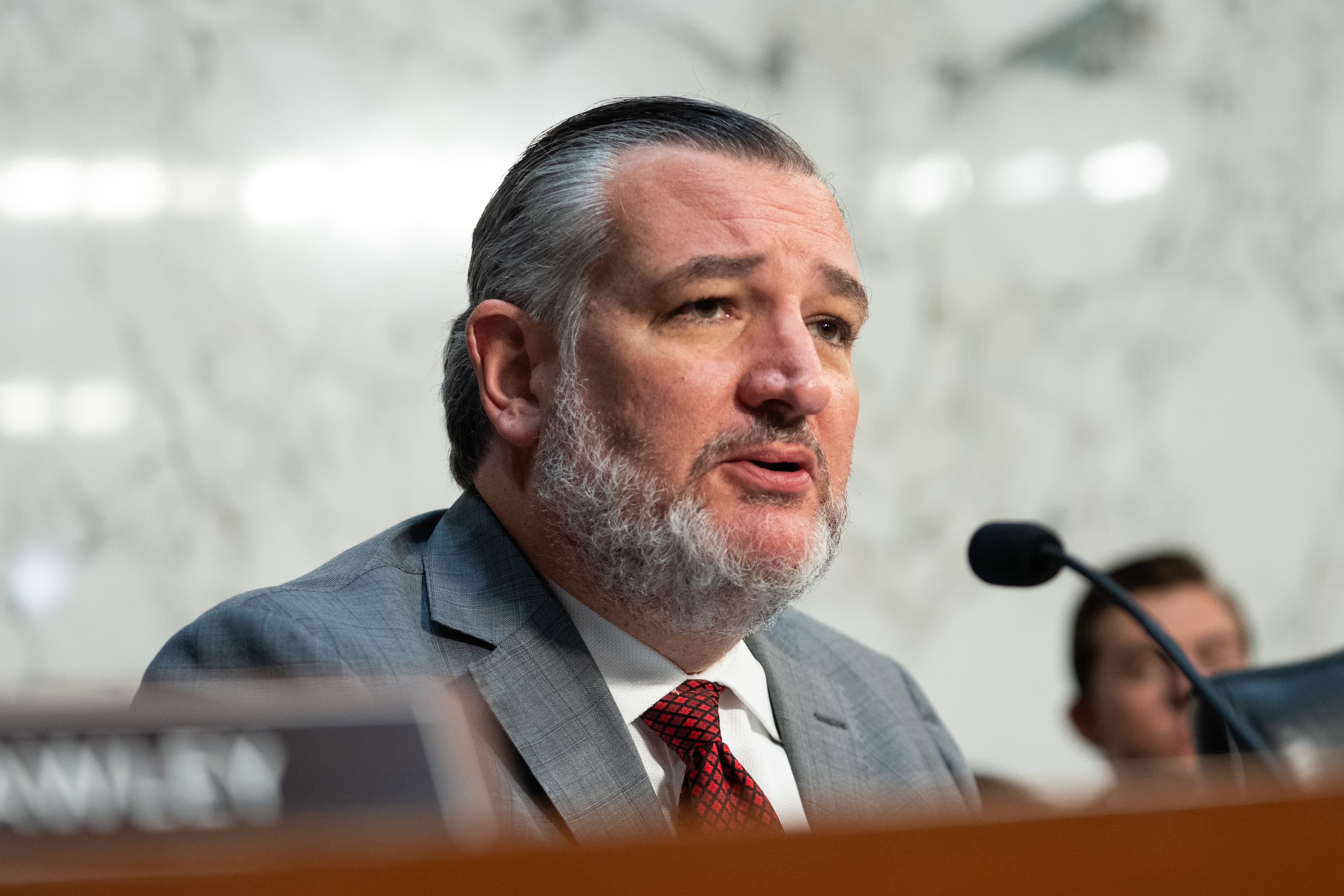
According to ABC News, lawmakers are advancing a revised Senate bill designed to establish federal oversight of college name, image, and likeness (NIL) agreements. The legislation would more than double the funding available to schools for athlete compensation through a proposed $25 million retention pool, addressing growing concerns about unregulated spending in collegiate sports. The bill represents an attempt to create a standardized framework after years of ad-hoc NIL deals that have reshaped the landscape of college athletics.
The retention pool's size raises questions about its effectiveness in influencing major conference decisions, particularly among Big Ten and SEC institutions that have increasingly invested in athlete compensation as a recruiting and retention tool. Industry observers question whether $25 million annually will meaningfully impact schools with multi-billion-dollar athletic budgets and intense competition for top-tier talent. The proposed cap could reshape how athletic departments allocate resources and negotiate with prospective players.
For Nashville-area business leaders invested in college athletics or regional universities, the bill's passage could influence institutional strategy around athlete partnerships, sponsorships, and brand development. The regulatory framework may create new opportunities for local businesses to participate in standardized NIL arrangements while potentially constraining the competitive advantages institutions currently enjoy through unrestricted spending. Regional stakeholders should monitor how federal guidelines might reshape the economics of collegiate sports marketing in their markets.