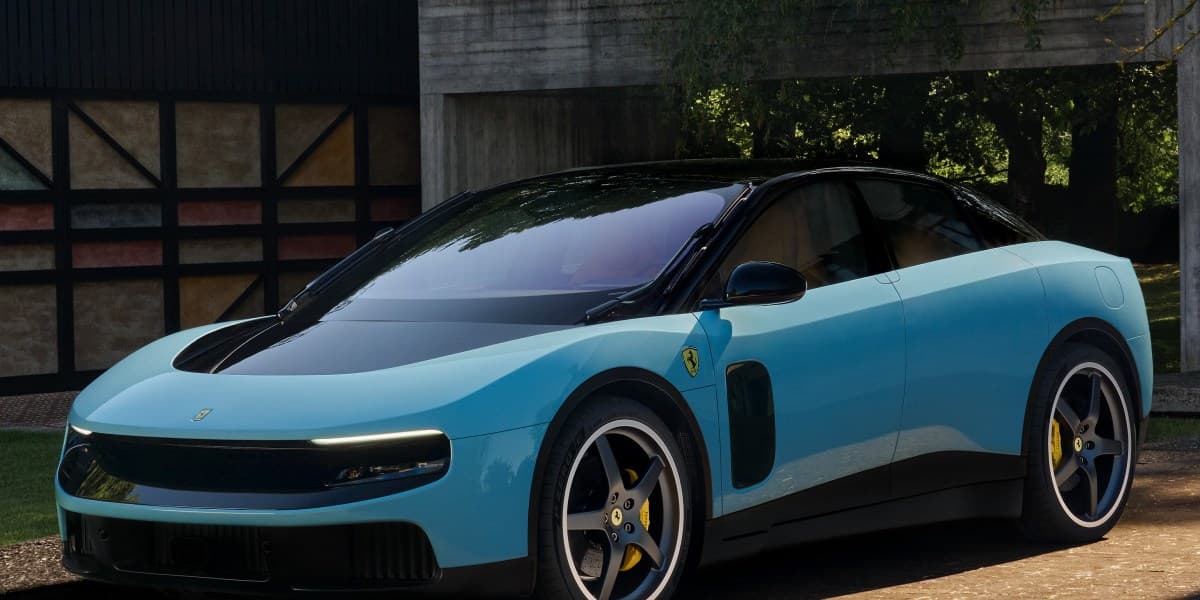
Photo via Fortune
Ferrari's entrance into the electric vehicle market with a $640,000 model has ignited substantial backlash from the brand's most devoted followers, according to Fortune. The luxury carmaker's pivot toward electrification, while necessary for meeting global emissions standards, has exposed a fundamental tension between tradition and transformation that many heritage brands face as the automotive industry rapidly shifts.
The criticism cuts deeper than typical product complaints. Ferrari's former chairman publicly warned that the EV launch risks the 'destruction of a myth'—suggesting that the brand's identity, built on decades of high-performance combustion engines and raw mechanical passion, may be irrevocably altered. This concern reflects a broader challenge luxury companies encounter when their core value proposition becomes tied to technology their traditional customers may perceive as antithetical to their brand.
For Nashville-area automotive suppliers, manufacturers, and dealers, Ferrari's struggle offers instructive lessons about managing brand evolution. As established companies across industries navigate digital transformation and sustainability demands, balancing heritage with innovation becomes critical to maintaining customer loyalty while remaining competitive in changing markets.
The backlash demonstrates that premium pricing alone cannot shield luxury brands from consumer sentiment shifts. How Ferrari resolves this perception challenge—whether through refined messaging, performance validation, or strategic product positioning—will likely influence how other legacy brands approach their own transformations in coming years.