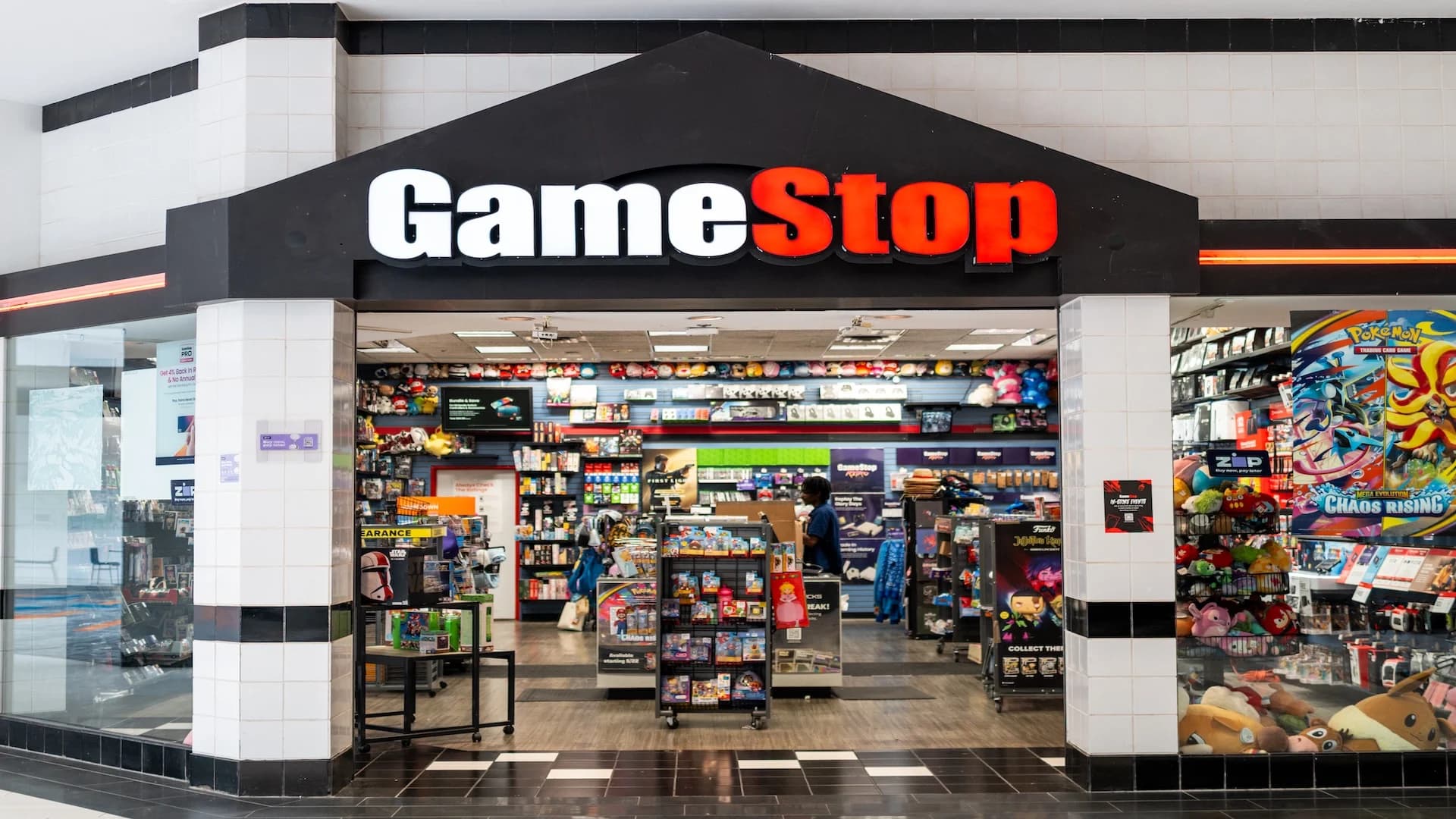
Photo via Inc.
GameStop has defied skeptics and posted remarkable financial results, according to Inc., reporting a net income of $389.6 million during the first quarter of its fiscal year. The entertainment retailer's turnaround comes after the company faced rejection from potential acquirers, including eBay, yet managed to chart an independent course to profitability that surprised industry observers.
For Nashville business leaders watching retail sector trends, GameStop's resurgence underscores an important principle: legacy businesses facing disruption can achieve meaningful growth through strategic adaptation. Rather than pursuing a sale or merger, the company focused on operational improvements and customer engagement, demonstrating that traditional retailers still have a viable path forward in an increasingly digital marketplace.
The company's financial performance reflects a broader shift in how consumers approach shopping and entertainment. GameStop's success suggests that brick-and-mortar retailers maintaining strong local communities and specialized expertise can compete effectively against pure e-commerce competitors. This has implications for Nashville's own retail community, from independent game shops to established entertainment venues.
As Nashville continues to develop its retail and entertainment sectors, GameStop's example offers valuable insights into what drives consumer loyalty and business sustainability. Companies that invest in their core offerings, maintain strong operational discipline, and refuse to accept conventional wisdom about their industries may find themselves positioned for unexpected growth and long-term viability.