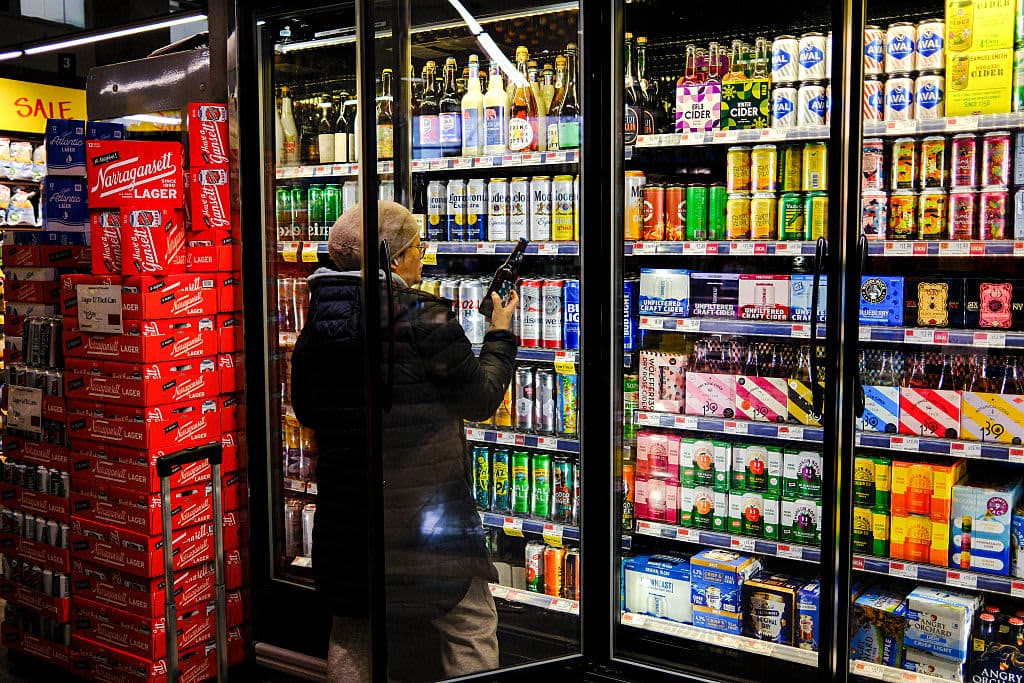
Photo via CNBC Business
Convenience stores and gas stations across the U.S., including those throughout Georgia, are experiencing a notable slowdown in beer sales as consumers grapple with elevated fuel prices. According to CNBC Business reporting on recent sales data, the impact is particularly pronounced in regions where gas costs remain elevated, suggesting that budget-conscious shoppers are making difficult purchasing trade-offs at the pump.
The trend reveals how interconnected retail categories have become in consumer spending patterns. When transportation costs spike, discretionary purchases like beer often become the first casualty. This dynamic is especially relevant for Nashville-area retailers and convenience store operators who rely on consistent beverage sales to maintain profit margins.
The data indicates that convenience stores are experiencing sharper declines compared to other retail channels, pointing to a shift in shopping behavior. Consumers may be consolidating trips or shifting purchases to larger grocery retailers where they can stock up during fewer visits, potentially reducing overall fuel consumption while still managing their shopping needs.
For Georgia retailers and beverage distributors, this emerging pattern warrants close monitoring. Understanding how macroeconomic pressures like fuel costs influence consumer behavior can help local businesses adjust inventory strategies and promotional tactics. As energy markets fluctuate, convenience store operators in Middle Tennessee should prepare for variable demand cycles that extend beyond traditional seasonal factors.