Photo via Bloomberg Markets
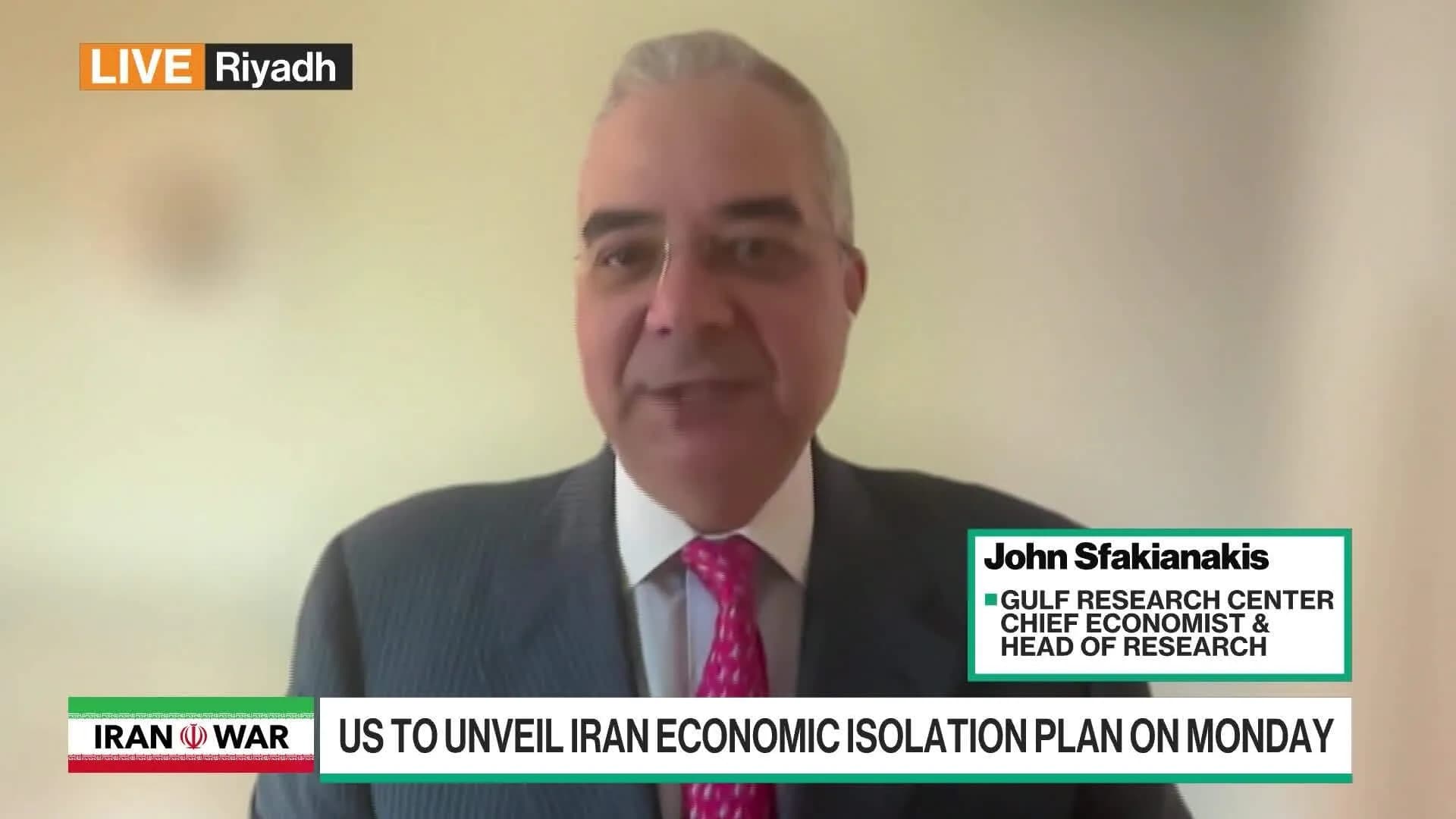
Iranian policymakers appear to be misreading U.S. commitment levels regarding sustained military and geopolitical engagement in the Middle East, according to recent analysis. Experts suggest that Tehran's strategic calculus may not adequately account for American domestic political support and economic capacity to maintain pressure over an extended timeframe, potentially creating a dangerous mismatch in expectations about conflict duration and resolution pathways.
The disconnect between Iranian and American assessments of long-term commitment reflects broader tensions in regional power dynamics. Analysts point to historical precedent and current U.S. strategic posture to suggest that American resilience in protracted standoffs typically exceeds what adversaries anticipate, particularly when vital national interests are perceived to be at stake.
This miscalculation carries implications for market stability and regional security planning. Businesses operating in affected markets face uncertainty regarding the trajectory and duration of current tensions, underscoring the importance of accurate strategic assessment in policymaking that ultimately affects global economic conditions.