Photo via Inc.
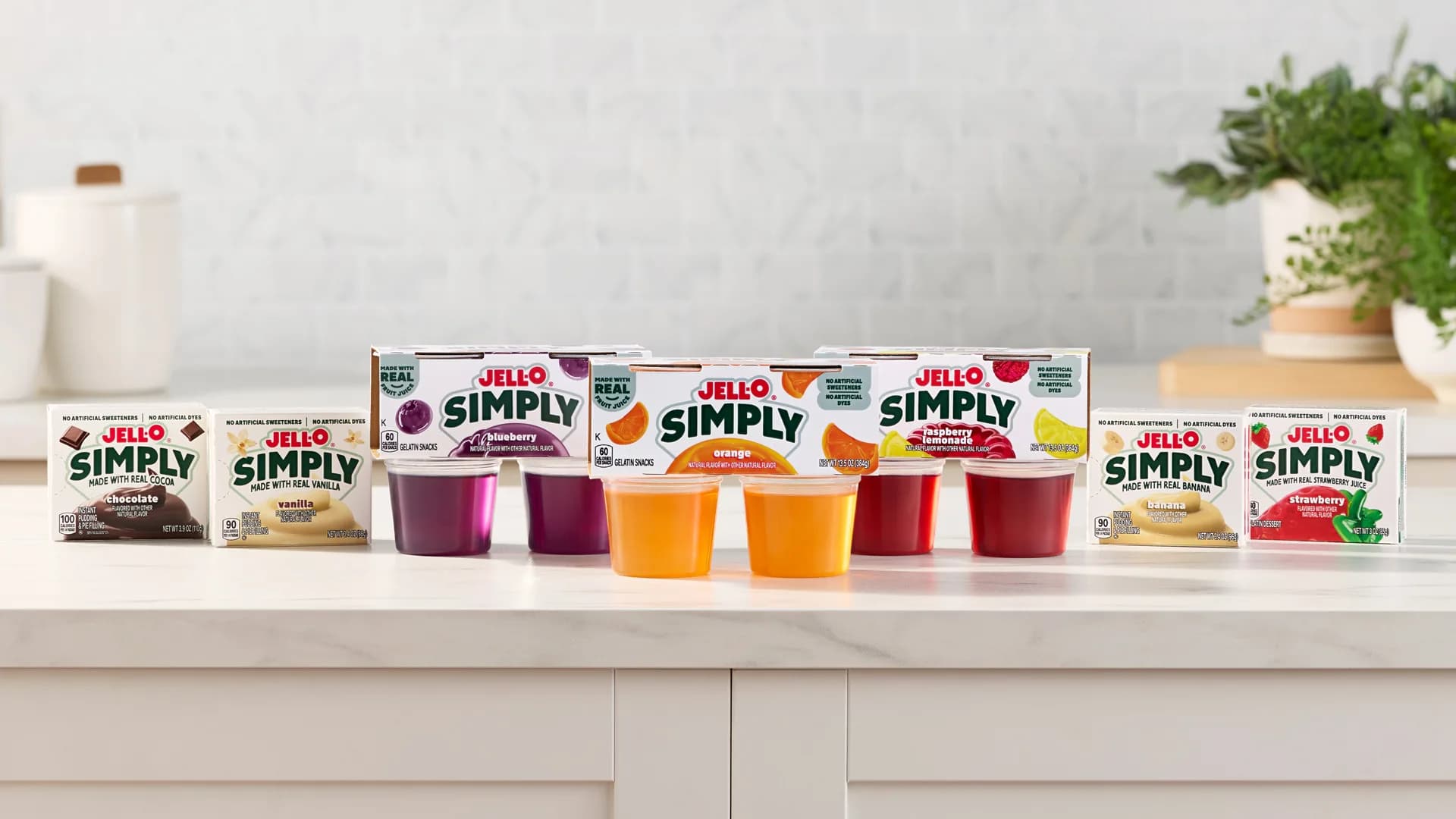
In a significant reformulation move, Kraft Heinz has announced the removal of artificial dyes from its iconic Jell-O brand, according to Inc. The decision underscores a larger industry pivot toward cleaner ingredient labels as consumer preferences shift away from synthetic additives. This change affects one of America's most recognizable food products, signaling that even legacy brands are responding to market pressures for transparency and ingredient safety.
The reformulation trend reflects evolving consumer expectations, particularly among health-conscious shoppers and parents concerned about artificial additives in children's foods. For food manufacturers and retailers in the Nashville area, this shift has practical implications: suppliers must adapt sourcing strategies, production facilities need retooling, and marketing teams must communicate ingredient changes effectively to maintain customer trust during transitions.
Kraft Heinz's move is part of a broader industry consolidation around natural ingredients. Other major food companies have similarly eliminated artificial dyes in recent years, creating a competitive landscape where cleaner formulations increasingly become table stakes rather than premium differentiators. Local food distributors and retailers must prepare for supply chain adjustments as major producers complete these transitions.
For Nashville-based food service operators, restaurants, and food retailers, this development suggests consumer preference data they should monitor closely. As major brands reformulate, suppliers' inventories shift, and customer expectations reset around ingredient quality. Staying informed about these industry-wide changes helps local businesses anticipate customer demands and adjust sourcing strategies accordingly.