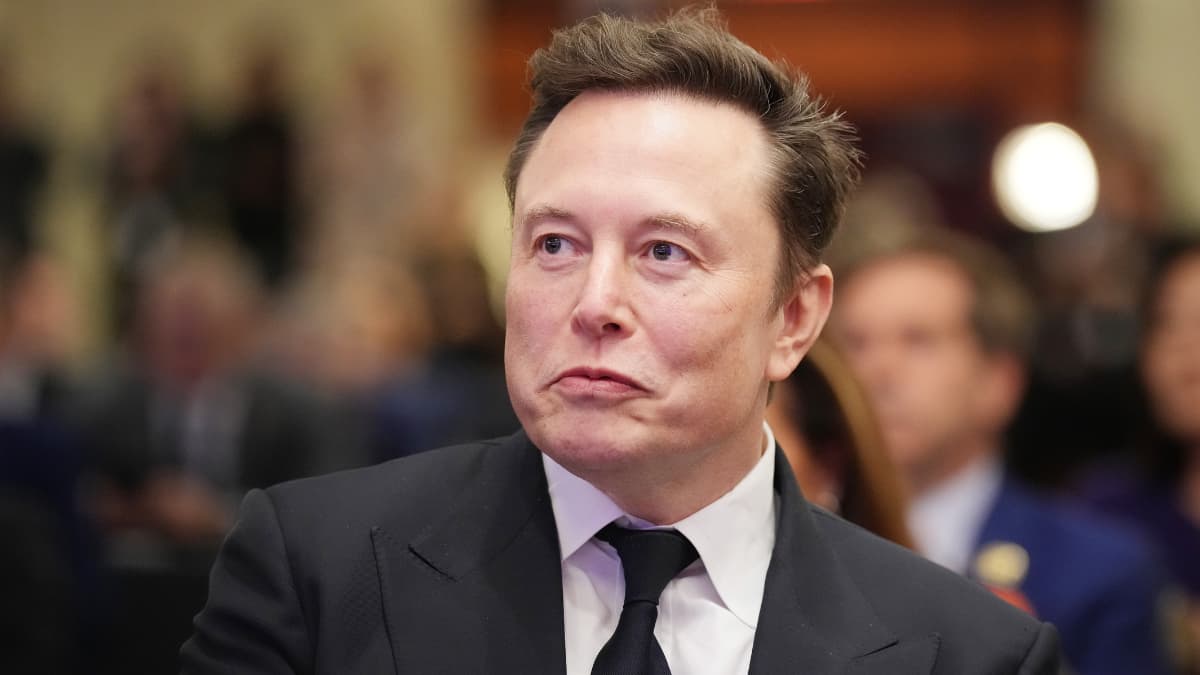
Photo via Inc.
According to Inc., Elon Musk has suffered a significant legal setback in his lawsuit against OpenAI CEO Sam Altman and the organization itself. The verdict represents a major courtroom victory for OpenAI, reinforcing the company's legal position as it continues to dominate the artificial intelligence sector. The ruling has broader implications for how tech leaders approach disputes over AI development and corporate governance.
The lawsuit centered on allegations related to OpenAI's direction and operations, with Musk seeking to challenge decisions made by Altman and the company's leadership. The court's decision to rule against Musk suggests judges found insufficient grounds to support his claims, strengthening OpenAI's hand as it faces ongoing scrutiny from regulators and competitors alike. This verdict may embolden other AI companies to defend their strategic choices in similar disputes.
For Nashville-area business leaders and entrepreneurs, this case underscores the importance of clear corporate structures and documented decision-making processes. As Tennessee continues to develop its tech corridor, understanding how courts handle disputes between founders and organizations—particularly in emerging fields like AI—provides valuable lessons for local startups navigating growth and governance challenges.
The decision also reflects courts' general reluctance to intervene in complex business disagreements without compelling evidence of wrongdoing. Moving forward, companies developing AI technology should ensure proper documentation of board decisions and strategic pivots. For the broader tech industry, the verdict signals that major players like OpenAI have sufficient legal protection to pursue their competitive strategies without fear of successful challenges from former associates.