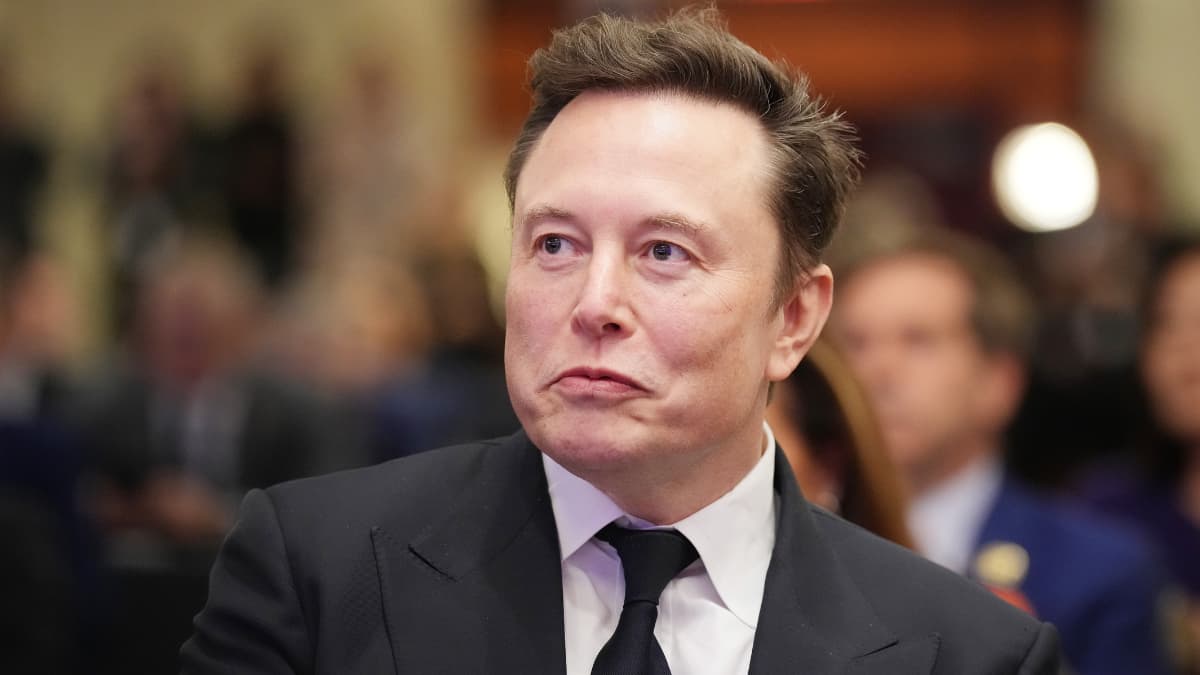
Photo via Entrepreneur
A nine-person jury has ruled against Elon Musk in his $150 billion lawsuit against OpenAI and CEO Sam Altman, determining that the Tesla founder waited too long to file his claims under applicable statute of limitations laws. According to Entrepreneur, the decision removes a significant legal obstacle that had shadowed the artificial intelligence company's path forward.
The ruling is consequential for OpenAI's plans to pursue a major initial public offering this year. With litigation risk substantially reduced, the company can now move toward public markets with greater certainty and investor confidence. For Tennessee's growing technology sector and venture capital community, the outcome demonstrates how intellectual property and founder disputes can significantly impact startup valuations and exit strategies.
Musk's lawsuit centered on allegations that OpenAI had deviated from its original nonprofit mission by partnering with Microsoft and pursuing for-profit ventures. However, the jury's decision on procedural grounds—rather than the merits of the underlying claims—suggests that timing and proper legal filing are as critical as the substantive arguments in high-stakes technology disputes.
The case serves as a cautionary tale for Nashville-area entrepreneurs and business leaders involved in joint ventures or startup partnerships. Clear documentation of agreements, awareness of legal deadlines, and prompt action when disputes arise are essential protections when dealing with technology ventures that may eventually be worth billions of dollars.