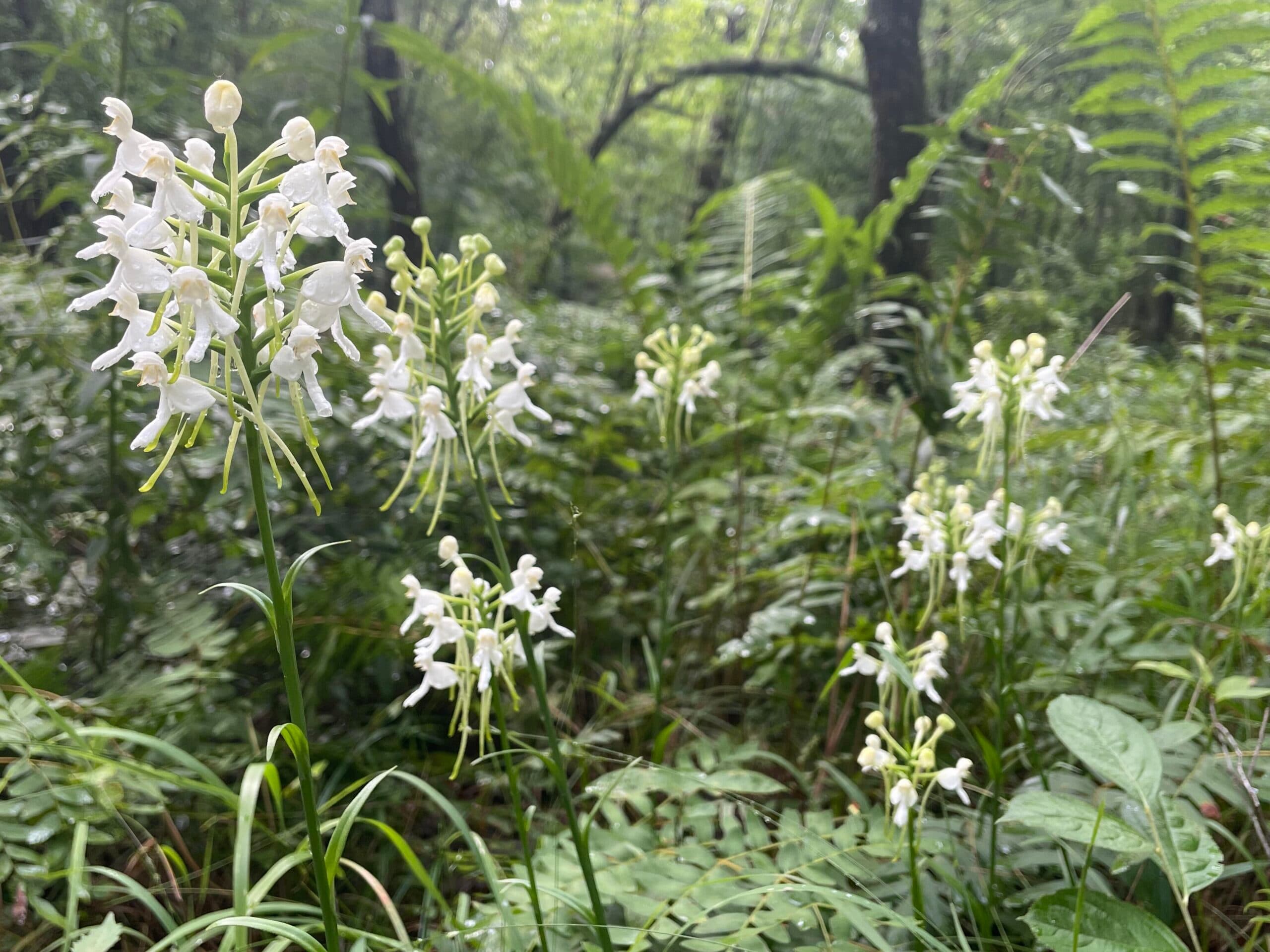
Photo via WPLN Nashville NPR
Environmental restoration projects represent significant long-term investments for communities and states across the Southeast. In southern Kentucky, the Office of Kentucky Nature Preserves has dedicated two decades to restoring native wetlands on the Cumberland Plateau, including efforts to recover the federally threatened white fringeless orchid. These initiatives typically require sustained funding, specialized expertise, and careful ecosystem management—resources that many regional organizations allocate strategically.
The May 2025 EF4 tornado that swept through southern Kentucky demonstrates how natural disasters can devastate restoration work regardless of how methodically it was planned. According to WPLN Nashville NPR, the storm carved visible lines through the landscape, disrupting years of careful habitat work. For businesses and organizations in Nashville and surrounding areas that support environmental restoration, conservation, or land management, the incident underscores the vulnerability of long-term projects to severe weather events.
This situation reflects broader challenges facing regional industries tied to land use and natural resource management. Environmental consulting firms, land trusts, and agencies must now consider climate resilience and disaster preparedness as core components of project planning. The recovery effort will likely require additional funding, replanting initiatives, and adaptive management strategies—creating both challenges and potential opportunities for contractors and specialists familiar with restoration work.
For Nashville-area business leaders involved in real estate development, conservation, or infrastructure planning, the Kentucky experience offers a cautionary tale about climate risk assessment. Organizations may need to strengthen insurance coverage, build redundancy into critical projects, and collaborate more closely with disaster preparedness agencies. As extreme weather events become more frequent, integrating resilience planning into environmental and developmental projects could become a competitive advantage and a necessity for sustainable operations.