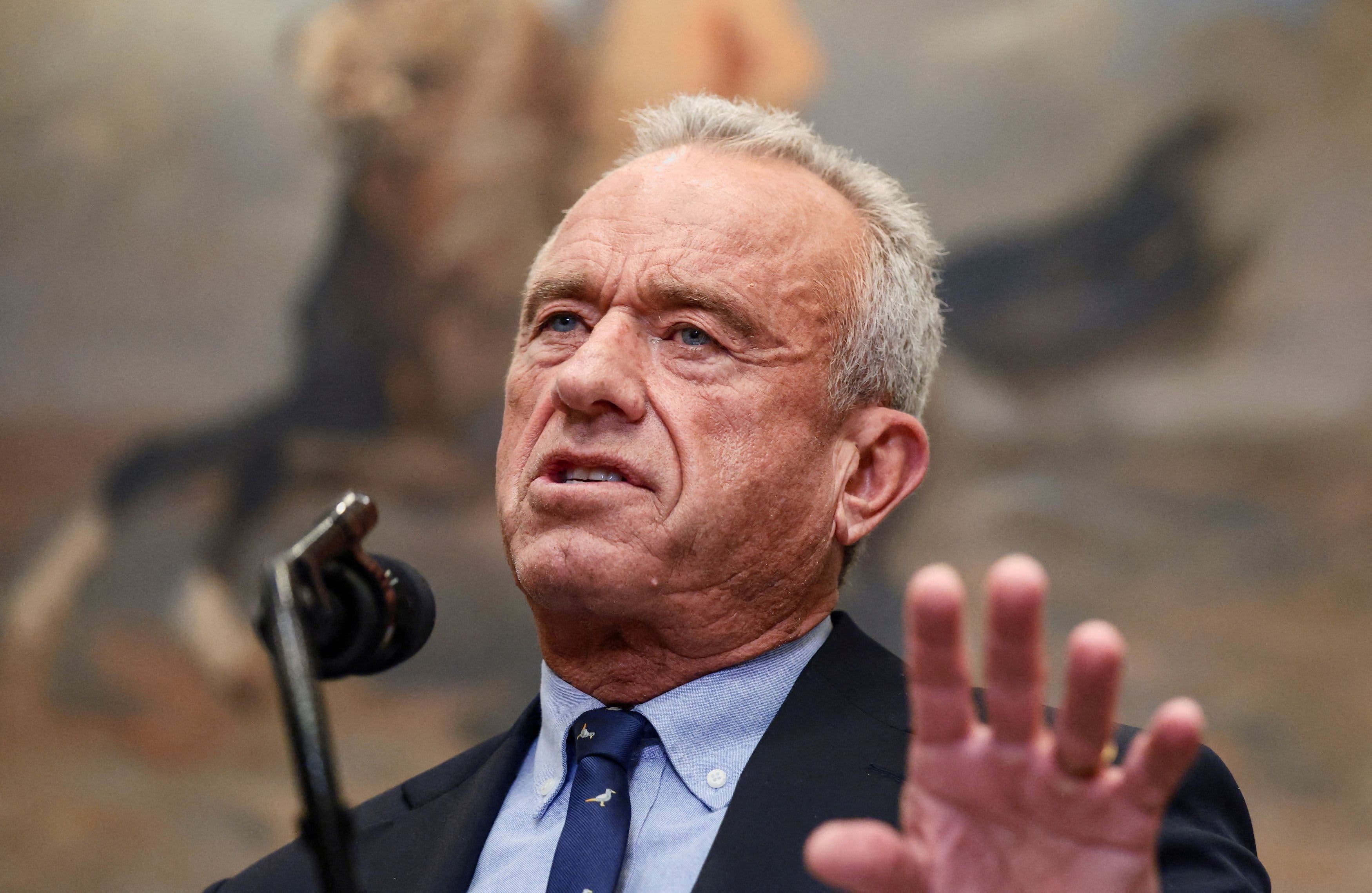
Photo via CNBC Business
Robert F. Kennedy Jr. has signaled openness to regulatory measures that would restrict television advertising of foods high in sugar, salt, and unhealthy fats. According to CNBC Business, the proposal represents a potential shift in how the food industry markets products to consumers, particularly children watching television programming.
Such a regulatory move would likely face substantial opposition from major food manufacturers who rely heavily on traditional media advertising to drive consumer awareness and sales. The food and beverage sector has historically mobilized significant resources to combat restrictions on marketing practices, raising questions about the political viability of sweeping advertising bans.
For Nashville-area retailers and food distributors, any federal advertising restrictions could require adjustments to marketing strategies and potentially impact product placement decisions. Regional businesses in the grocery and quick-service restaurant sectors should monitor policy developments that could influence how products are promoted and positioned in their stores.
The debate highlights broader conversations about public health regulation and industry freedom. As policymakers continue discussions around food marketing standards, business leaders should consider how evolving regulatory landscapes might shape consumer behavior, product sales, and marketing budgets in the coming years.