Photo via Fortune
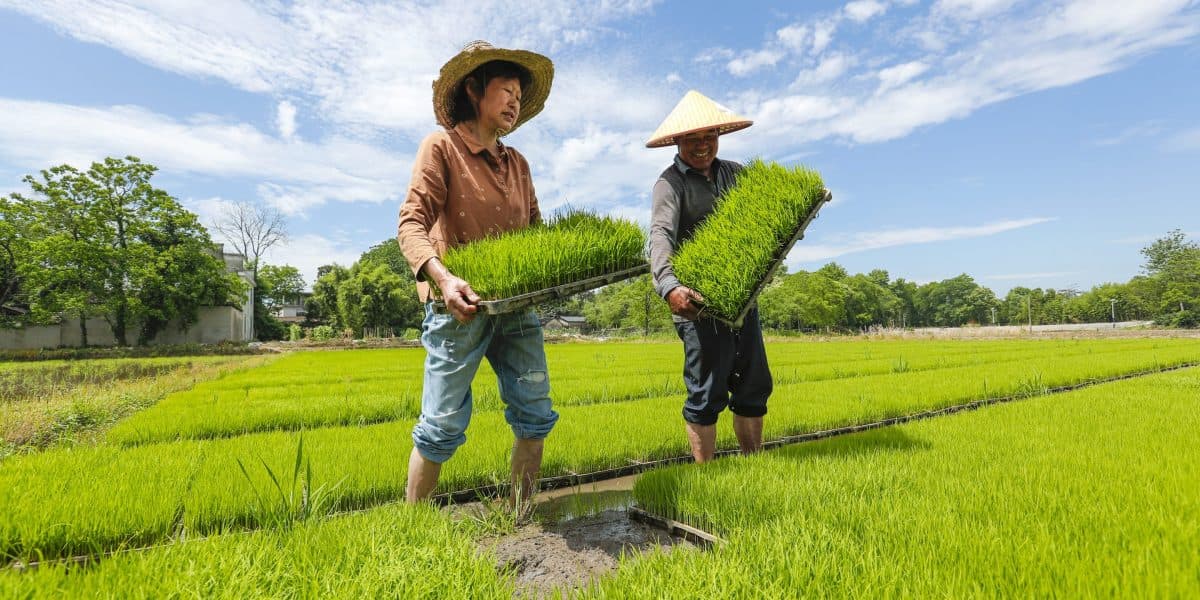
Rice production represents a critical food security issue globally, feeding more than half the world's population. Yet according to a recent study published in Nature Food, the environmental cost of rice cultivation has become substantially more significant than previously understood. Researchers found that emissions from rice paddies have nearly doubled over the past six decades, positioning the crop as agriculture's single largest source of non-livestock greenhouse gases.
The scale of this environmental impact is striking when contextualized in familiar terms. The annual emissions generated by rice paddy operations now equate to the carbon footprint of approximately 239 million automobiles. This represents a dramatic shift in how policymakers and industry stakeholders should evaluate the true cost of rice production, particularly as global demand for the staple crop continues to rise.
For Nashville-area businesses and regional supply chain operators, these findings carry implications worth monitoring. As food processing, logistics, and agricultural commodity sectors remain important to Tennessee's economy, understanding the environmental and regulatory pressures affecting major crops like rice could influence future sourcing decisions, supply chain investments, and operational strategies for companies dependent on agricultural inputs.
The research underscores a growing tension between food security and climate responsibility. Agricultural producers, food manufacturers, and logistics companies will likely face increasing pressure from regulators and consumers to address emissions across production methods. Organizations engaged in rice sourcing or processing may need to evaluate sustainability measures and prepare for potential policy changes aimed at reducing agriculture's climate footprint.