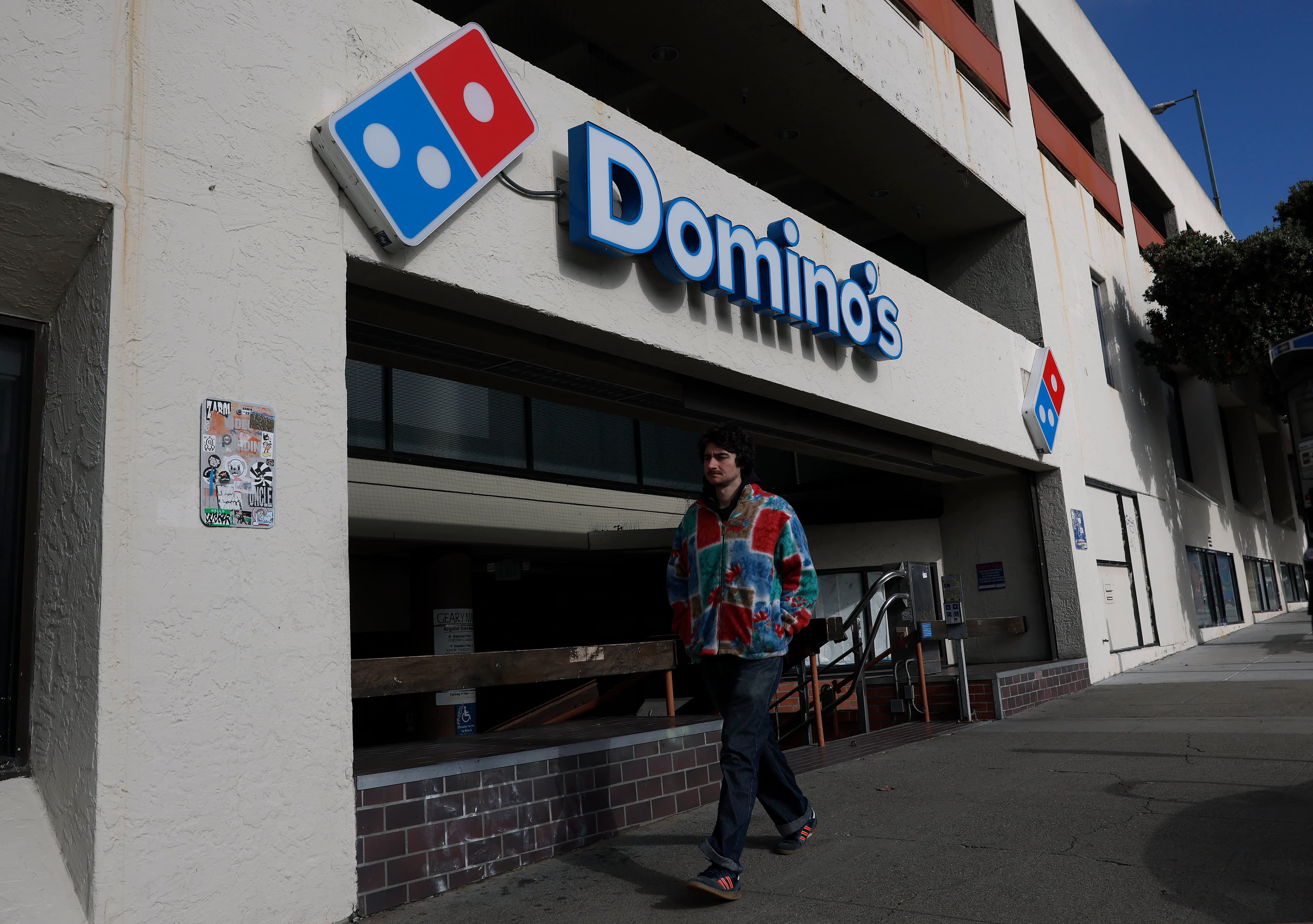
Photo via CNBC Business
The restaurant industry is experiencing mixed results as elevated fuel costs reshape consumer behavior across the sector. According to Black Box Intelligence, overall restaurant traffic declined 2.3% in March when compared to the same month last year, signaling pressure on foot traffic and sales performance across the dining landscape.
The impact of rising gas prices extends beyond fuel pumps to restaurant operations and customer mobility. Higher transportation costs affect both consumer discretionary spending and the logistics chains that supply restaurants with food and supplies. For Nashville-area restaurant owners and operators, this creates a challenging environment where customers may be more selective about dining out, particularly at establishments requiring longer drives.
However, the data reveals important nuances in how different restaurant concepts are weathering this economic pressure. Not all chains experienced the same degree of traffic decline, suggesting that restaurant type, pricing strategy, and location play significant roles in customer resilience. Establishments offering value propositions or convenient neighborhood locations may be faring better than those dependent on destination traffic or premium positioning.
For Nashville's restaurant community, the takeaway is clear: operators should monitor consumer behavior closely and consider how their business model aligns with current spending patterns. Those able to adapt their menus, delivery options, or pricing strategies to account for cost-conscious consumers may find opportunities to maintain loyalty and traffic even as broader industry headwinds persist.