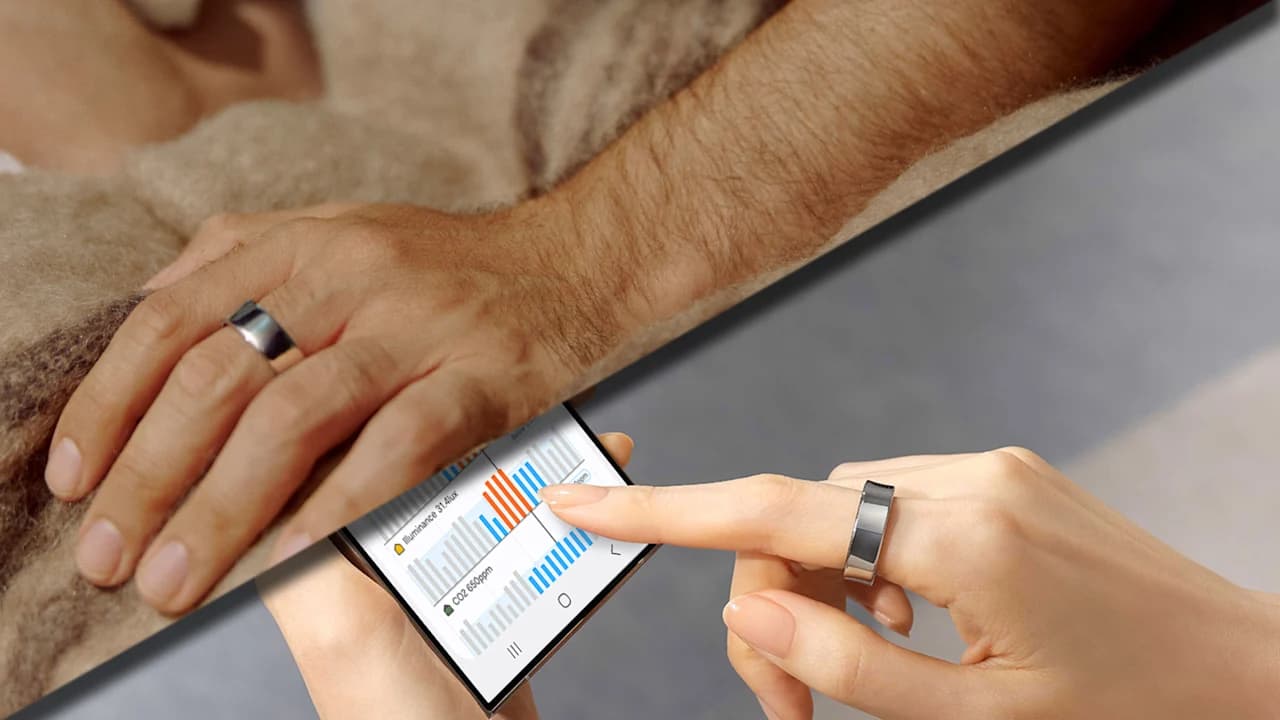
Photo via Fast Company
The wearable technology landscape is shifting in unexpected directions. While smartwatches have dominated the conversation for the past decade, a quieter but significant trend is emerging in the smart ring space. According to Fast Company, the market has evolved from niche experimentation into a legitimate competitive arena where established tech giants and innovative newcomers are staking serious claims. For Nashville professionals juggling demanding schedules, these devices offer a subtle alternative to the constant notifications and screen time associated with traditional wearables.
The market now presents several distinct philosophies. Oura Ring 4 leads with premium software and health insights but requires a $5.99 monthly subscription alongside its $349 price tag—a recurring cost model that appeals to wellness-focused executives. Samsung's Galaxy Ring ($399) takes a subscription-free approach and integrates seamlessly within Android ecosystems, while emerging competitors like RingConn Gen 2 Air ($199) and Amazfit Helio Ring ($149) prioritize affordability and value. Each option targets different user priorities, from biohacking enthusiasts to casual fitness trackers.
For Nashville's growing health-tech and corporate wellness sectors, this diversification matters significantly. Companies considering employee wellness programs can now choose from solutions ranging from $149 entry-level options to premium $399 alternatives, each with different feature sets and subscription requirements. The no-subscription alternatives from Samsung and RingConn may appeal particularly to cost-conscious organizations, while Oura's advanced metabolic tracking could interest companies focusing on preventive health initiatives.
The broader trend suggests that future wearables won't revolve around finding one device that does everything—instead, users will build ecosystems of complementary sensors that blend seamlessly into daily life. For Nashville business leaders evaluating technology investments in employee health monitoring or personal wellness, understanding these distinct market segments and pricing models is essential to making informed decisions that balance capability with budget constraints.