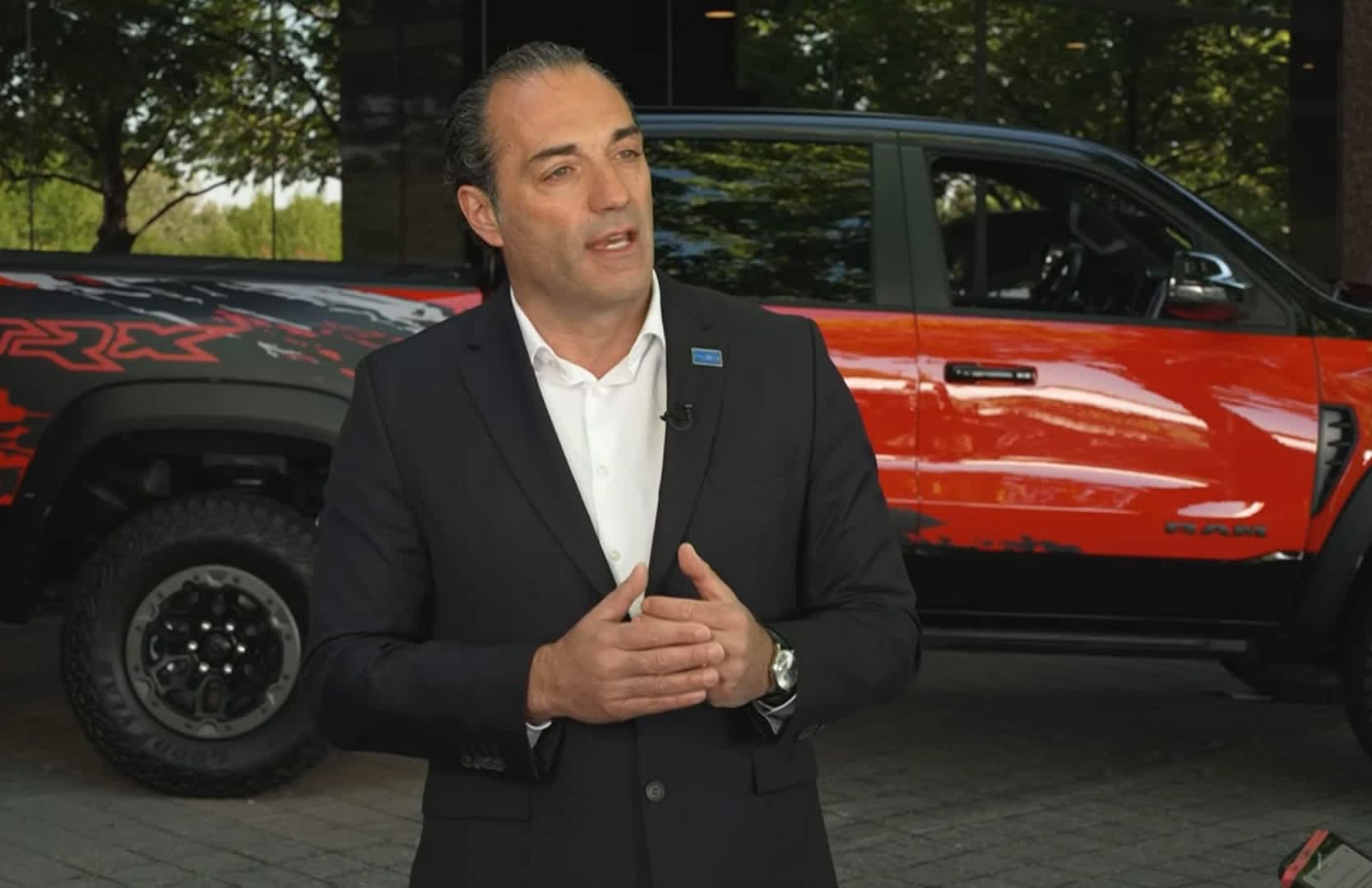
Photo via CNBC Business
Stellantis, one of the world's largest automakers, has announced a comprehensive strategic overhaul worth approximately $70 billion over five years, according to CNBC Business. The plan, unveiled by CEO Antonio Filosa, aims to restore profitability and achieve positive cash flow by 2027. This aggressive repositioning reflects broader challenges facing the traditional automotive industry as it navigates electrification, supply chain pressures, and changing consumer preferences.
For Nashville-area businesses involved in automotive logistics, parts manufacturing, and distribution, Stellantis's turnaround strategy carries significant implications. The company's emphasis on operational efficiency and capital allocation could reshape supplier relationships and procurement patterns across the Southeast. Regional logistics providers and manufacturers that support the auto industry should monitor how Stellantis restructures its supply network and production priorities.
The turnaround plan represents a critical moment for one of the industry's major players. By targeting positive cash flow within five years, Stellantis is signaling confidence in its ability to compete despite industrywide headwinds. However, the scale of investment required underscores the competitive pressures facing traditional automakers as electric vehicle adoption accelerates and manufacturing costs evolve.
Nashville business leaders in transportation, manufacturing, and logistics should view Stellantis's strategic pivot as a potential catalyst for market consolidation and partnership opportunities. Companies positioned to support automotive sector transitions—whether through supply chain innovation, logistics optimization, or specialized manufacturing—may find new growth avenues as major players like Stellantis execute their transformation strategies.