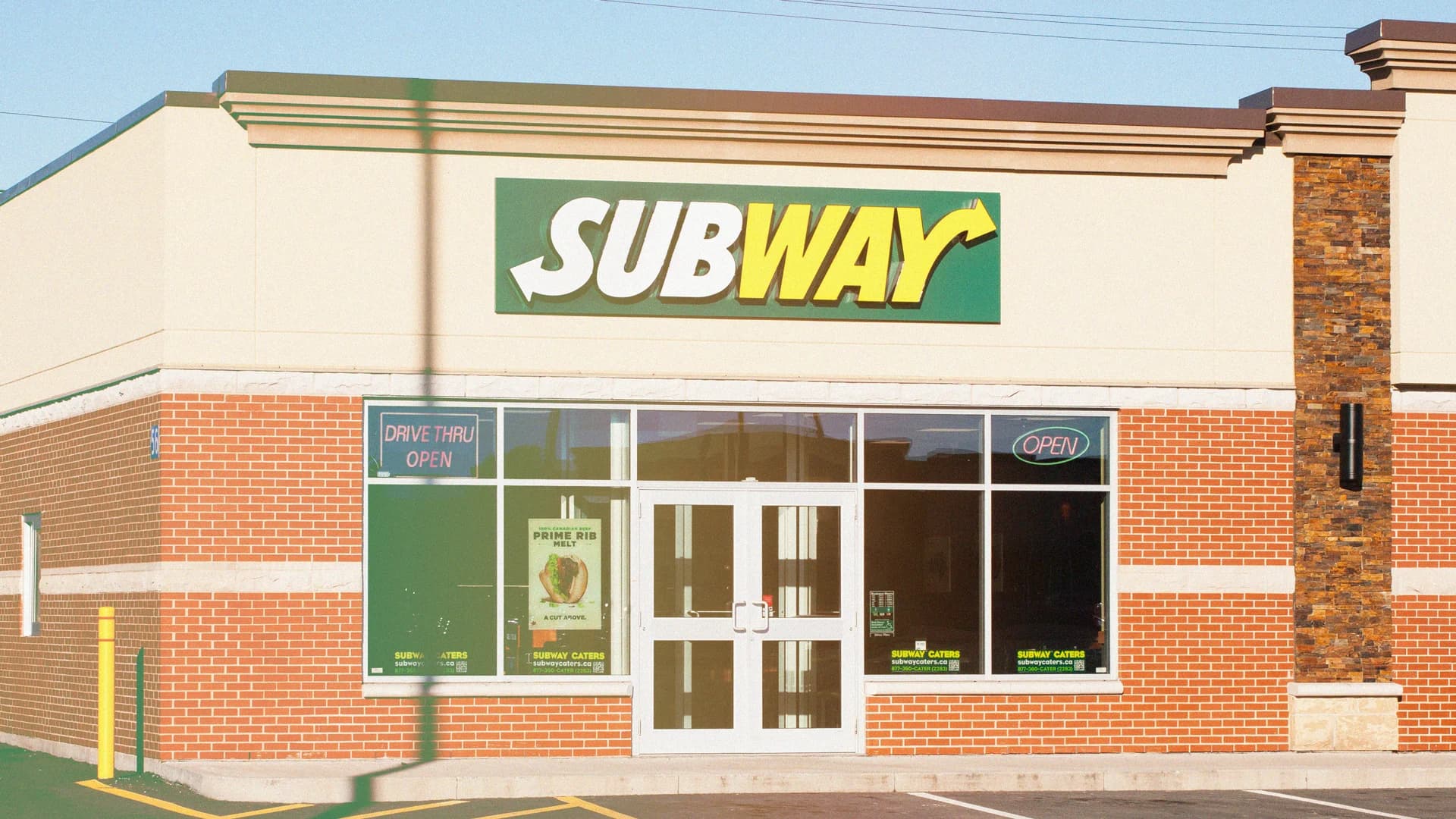
Photo via Inc.
Subway, one of the nation's largest quick-service restaurant chains, faced significant headwinds in the past year, closing more than 725 U.S. locations even as the company announced ambitious plans to open 100 new shops in 2026. The closures underscore ongoing operational challenges facing the franchisor as it attempts to stabilize and reposition its domestic business.
The company's financial performance reflected the magnitude of these challenges, with total revenue declining 6 percent year-over-year, according to reporting from Inc. This contraction raises questions about the sustainability of Subway's growth strategy and its competitive standing against rivals like Chipotle, Panera, and Chick-fil-A in an increasingly crowded fast-casual marketplace.
For Nashville-area business owners and franchisees monitoring the QSR sector, Subway's struggles offer a cautionary tale about the importance of operational efficiency, location strategy, and brand relevance. The closures suggest that franchise models must continually evolve to meet changing consumer preferences and demographic shifts.
As Subway charts its course forward with new unit development planned for 2026, industry observers will be watching to determine whether the chain can arrest its domestic decline and return to growth. The outcome may have implications for franchise concepts across the Southeast, where real estate costs and consumer spending patterns continue to shift.