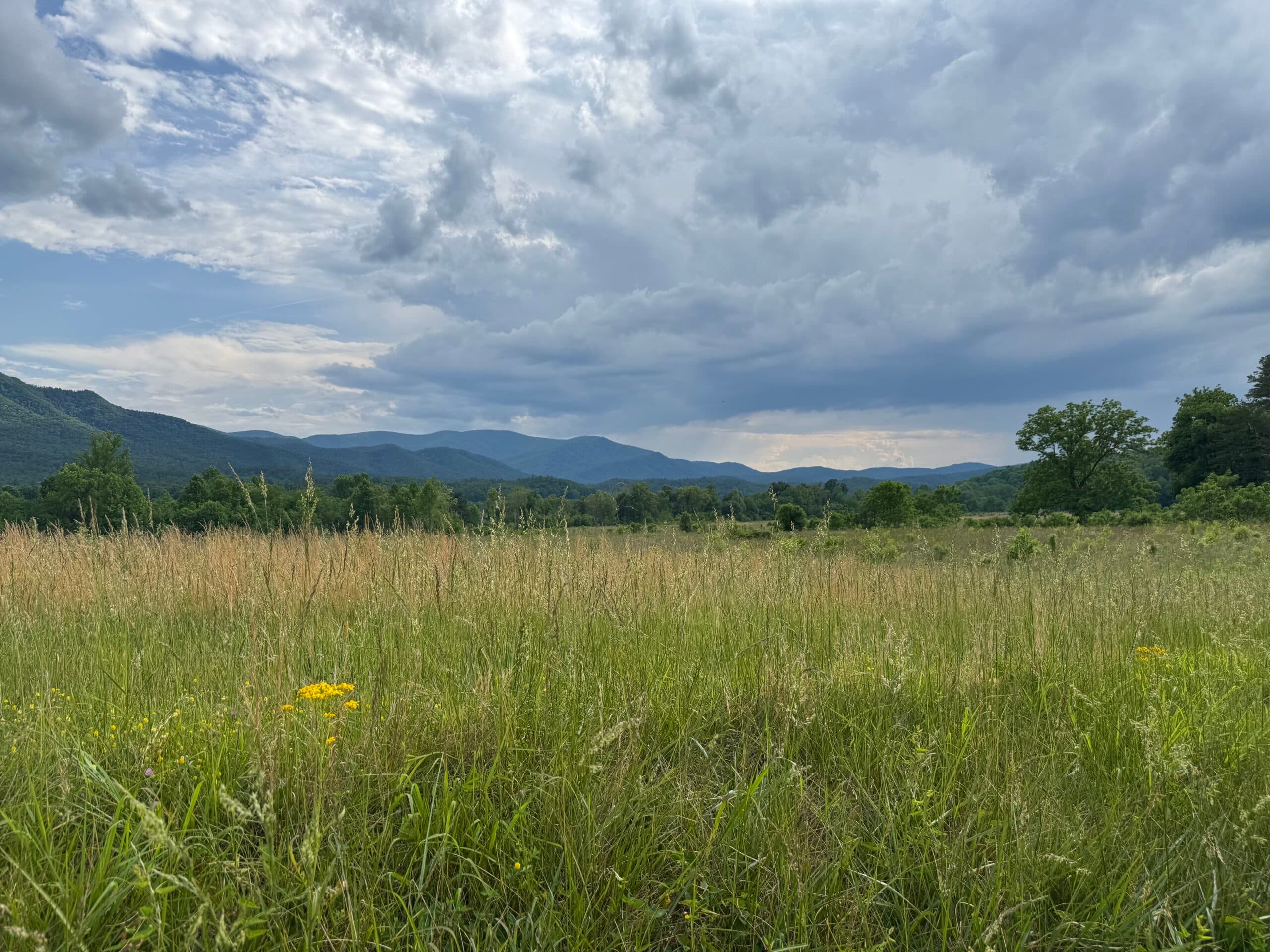
Photo via WPLN Nashville NPR
Tennessee's drought situation remains dire despite recent precipitation, with approximately four-fifths of the state still classified as experiencing moderate drought conditions, according to the U.S. Drought Monitor. The prolonged dry spell, which began in December, has created structural water deficits that cannot be quickly reversed by short-term rainfall alone. For Nashville-area businesses reliant on consistent water availability—from manufacturing to hospitality—the persistence of these conditions warrants serious contingency planning.
Andrew Joyner, Tennessee's state climatologist, emphasizes that underlying hydrological challenges continue to plague the region. Groundwater levels, reservoir volumes, and soil moisture remain depressed despite recent weather improvements. These long-term metrics matter significantly for businesses in agriculture, energy production, and food and beverage manufacturing, all key sectors in the Nashville economy. Without sustained, substantial precipitation over coming months, the structural recovery needed to fully resolve the drought remains uncertain.
The business community should monitor water management strategies and restrictions that may be implemented by local authorities. Nashville-area companies should assess their water consumption practices and develop conservation protocols now, before potential mandatory restrictions become necessary. Industries such as data centers, which require significant cooling water, may face particular operational challenges if drought conditions persist or worsen.
For investors and business leaders in Middle Tennessee, this drought underscores the importance of supply chain resilience and resource management planning. Companies operating in water-intensive sectors should evaluate their exposure to prolonged dry conditions and consider geographic diversification of operations. State climatological data will remain critical for business decision-making in the months ahead.