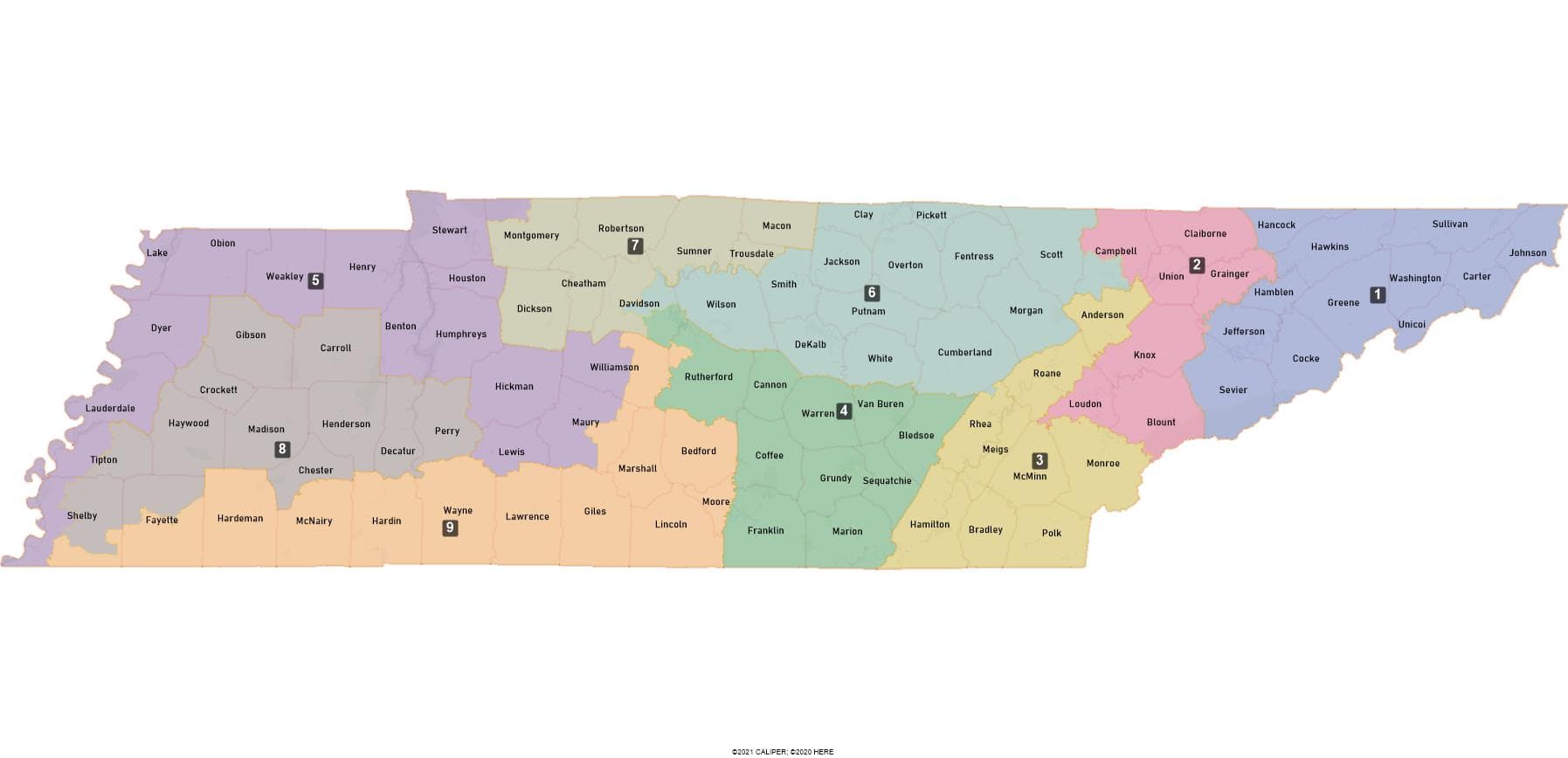
Photo via WPLN Nashville NPR
Tennessee's recently redrawn congressional districts are reshaping the candidate slate for the upcoming primary elections, creating a complex landscape for voters and stakeholders to navigate. According to WPLN Nashville NPR, the redistricting process has fundamentally altered which candidates will represent various regions, including those affecting the Nashville metropolitan area. For business leaders and corporate decision-makers, understanding these changes is crucial, as congressional representation directly influences policy decisions on taxation, workforce development, and infrastructure investment that affect operations in Middle Tennessee.
The redistricting shifts have forced both political parties to reassess their strategic positioning across Tennessee's districts. According to the reporting, candidates have had to adjust their campaigns and messaging in response to the new district boundaries, which can signal potential policy direction changes at the federal level. Nashville-area businesses should monitor how these changes influence representation on committees overseeing industries critical to the region—including healthcare, technology, logistics, and manufacturing sectors that drive the local economy.
For Nashville business professionals and entrepreneurs, the primary ballot changes underscore the importance of civic engagement and understanding how federal representation impacts local economic policy. As new candidates enter the race under the redrawn map, business communities have an opportunity to evaluate candidates' positions on issues affecting economic growth, workforce training, and regional competitiveness. Staying informed about these electoral shifts helps business leaders anticipate potential changes in federal policy that could shape Nashville's economic trajectory in coming years.