Nashville, GA
Sign InEvents
NASHVILLE BUSINESS
Magazine
Our Top 5
DOW
S&P
NASDAQ
Real EstateFinanceTechnologyHealthcareLogisticsStartupsEnergyRetail
● Breaking
Sterling Gains Traction Before UK Inflation ReportLynas Rare Earths Shares Hit Five-Month Low on Quarterly Revenue ShortfallSouth Africa Finance Minister Moves to Replace PIC Board ChairCopper Retreats From Six-Month Highs on Tariff UncertaintyJapan's 40-Year Bond Auction Draws Strongest DemandSterling Gains Traction Before UK Inflation ReportLynas Rare Earths Shares Hit Five-Month Low on Quarterly Revenue ShortfallSouth Africa Finance Minister Moves to Replace PIC Board ChairCopper Retreats From Six-Month Highs on Tariff UncertaintyJapan's 40-Year Bond Auction Draws Strongest Demand
Retail
Retail

U.S. Conducts Airstrikes Against Iran Following Hormuz Ship Attack

The U.S. military launched airstrikes against Iran after Tehran attacked a container ship in the Strait of Hormuz, the Pentagon confirmed.

U.S. Conducts Airstrikes Against Iran Following Hormuz Ship Attack

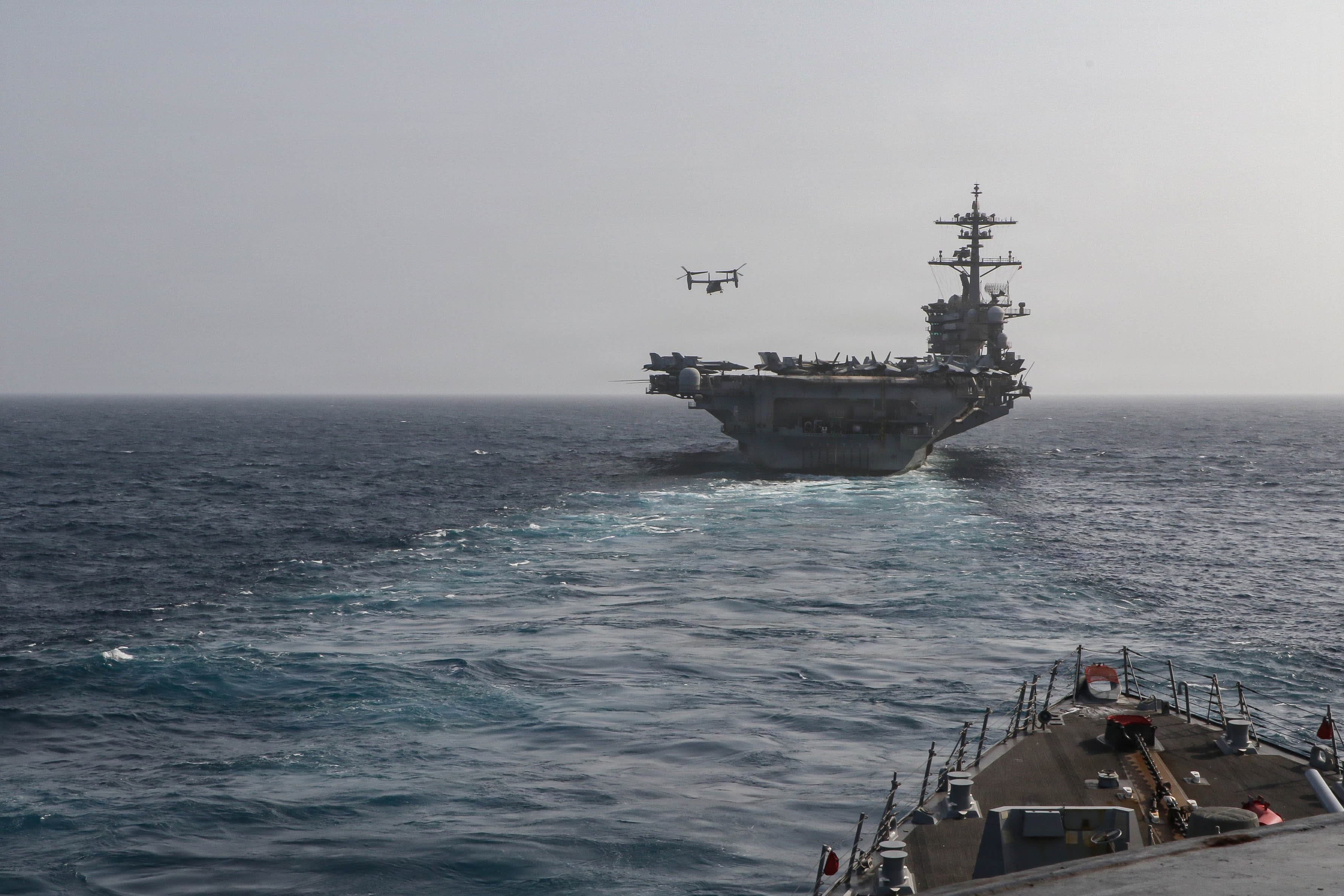
Photo via CNBC

According to the Pentagon, the United States conducted military airstrikes targeting Iran in response to an attack on a container vessel operating in the Strait of Hormuz. The incident marks an escalation in tensions over shipping routes in one of the world's most critical maritime chokepoints.

Iran has targeted commercial vessels traveling along a shipping corridor off Oman's coast that operates under U.S. military protection. According to reports, Tehran has been pressuring ships to reroute through northern passages within Iranian territorial waters, a demand backed by military action against non-compliant vessels.

The confrontation underscores broader regional tensions and the strategic importance of the Strait of Hormuz to global energy and commerce. The U.S. military presence in the area has been designed to ensure freedom of navigation and protect international shipping from Iranian interference.

IranMilitaryStrait of HormuzShippingNational Security
Related Coverage