Photo via Fortune
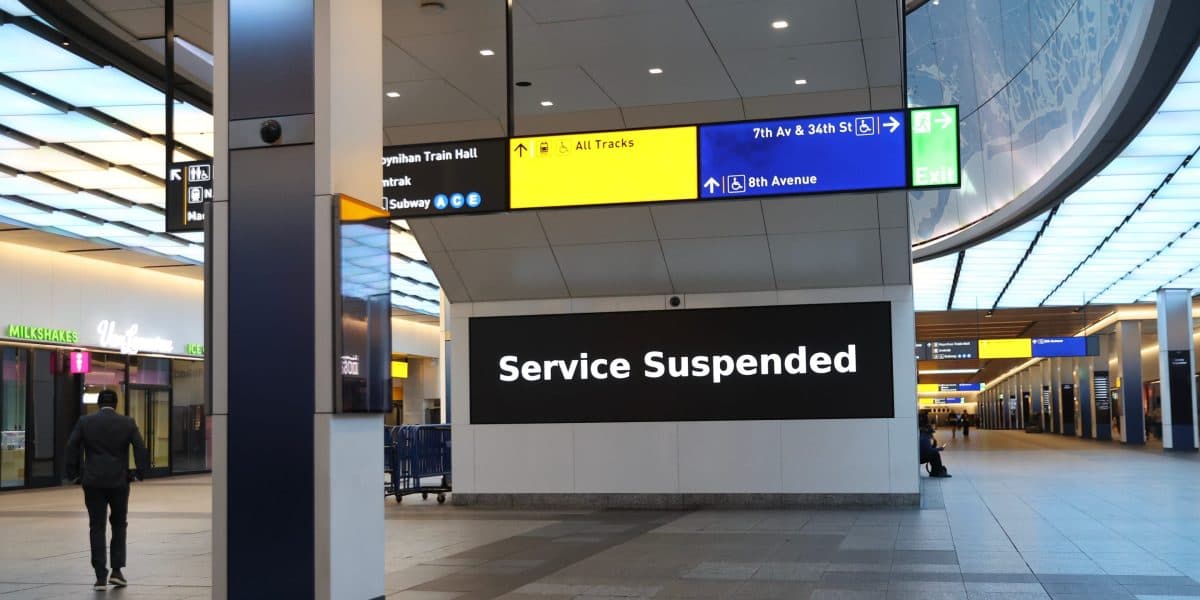
According to Fortune, five unions representing approximately half of the Long Island Rail Road's workforce initiated a strike after protracted negotiations, demonstrating the growing tension between major transportation employers and labor representatives. The action underscores broader labor challenges facing America's transit systems and the critical role unions play in maintaining essential infrastructure.
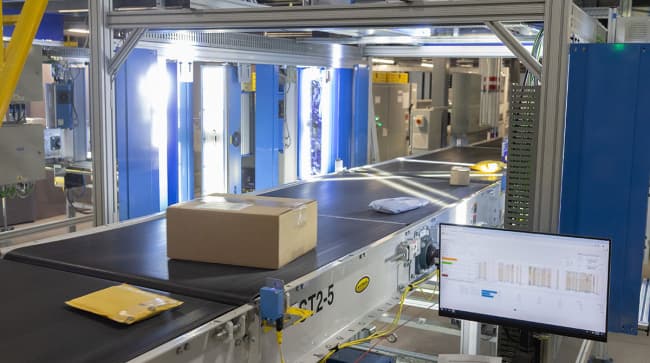
For Nashville-area businesses dependent on East Coast logistics and supply chain operations, regional transit disruptions can create ripple effects that extend far beyond the immediate impact zone. Companies with distribution networks touching the Northeast may face delays in shipping and receiving, particularly those relying on intermodal transportation connections that feed into rail systems.
The involvement of federal-level mediation, including participation from high-ranking officials, reflects the significance of this labor dispute. When major transportation arteries experience disruptions, the economic consequences scale quickly—affecting inventory management, delivery schedules, and ultimately customer satisfaction across multiple industries and regions.
Business leaders in Nashville and across the Southeast should monitor labor developments in major transportation hubs as potential indicators of broader operational challenges. Understanding how regional transit strikes could cascade into supply chain delays provides valuable context for contingency planning and vendor relationship management in an increasingly interconnected economy.