Photo via Memeorandum
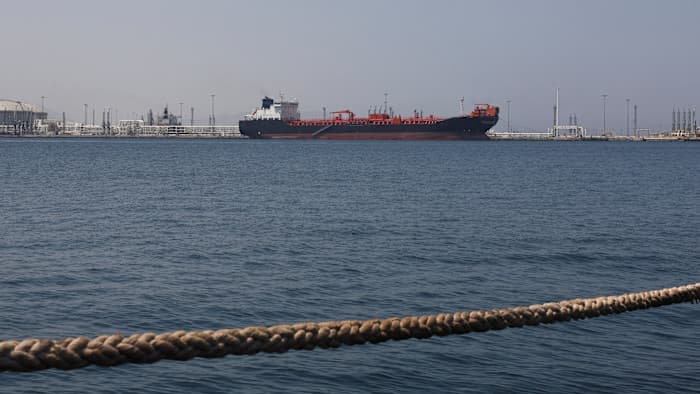
The Trump administration's ambitious $40 billion maritime insurance facility for the Strait of Hormuz has failed to generate any business since its announcement two months ago, according to reporting by the Financial Times. The program was designed to provide insurance coverage for commercial vessels navigating one of the world's most strategically important shipping corridors, which handles roughly one-third of global seaborne petroleum trade.
Industry analysts attribute the lack of interest to a fundamental gap in the program's execution: the absence of committed U.S. naval escort services for vessels transiting the waterway. Without a credible security presence to mitigate risks from Iranian naval activity and regional tensions, shipping companies have shown little confidence in the insurance-only approach, viewing it as insufficient protection for their assets.
For Nashville-area logistics and supply chain businesses that depend on stable global trade flows, the stalled initiative underscores ongoing uncertainty in maritime commerce. Companies managing inventory, manufacturing inputs, and fuel procurement tied to Middle Eastern supply chains are watching developments closely as alternative routing and insurance strategies remain costly and complicated.
The program's failure highlights the challenge of coordinating public and private sector responses to geopolitical risk. Moving forward, stakeholders will likely press the administration to clarify whether military support will accompany the insurance framework, or whether alternative mechanisms will be implemented to restore confidence in Hormuz transit security.